In 2024, legal fees in the United States generated around $320 billion, accounting for roughly 1.5% of the country’s Gross Domestic Product (GDP). That figure alone is staggering. But what does it truly say about the moral, social, and cultural fabric of the U.S.?
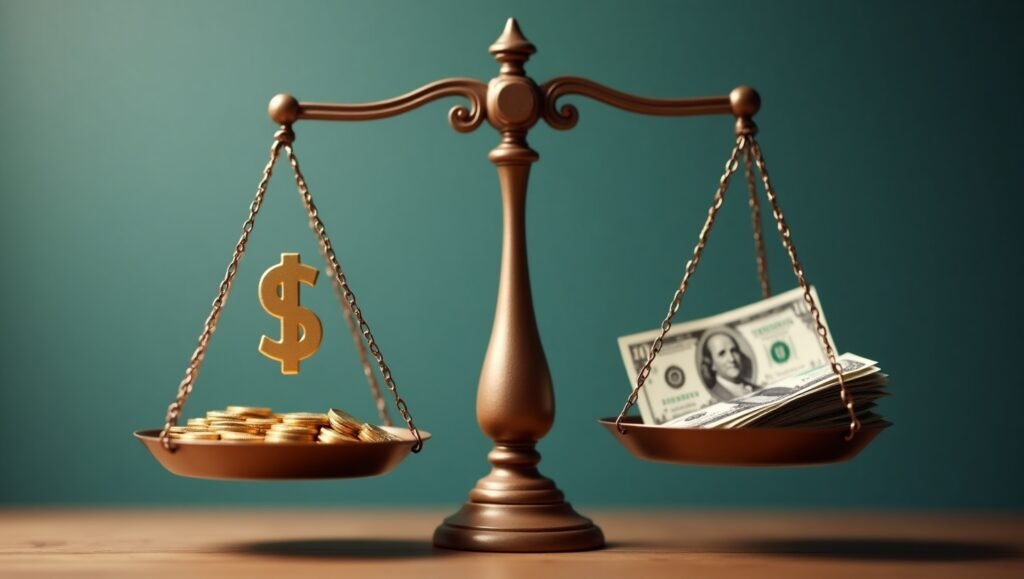
At first glance, this statistic might seem like a sign of a robust legal industry. But dig a little deeper, and it starts to look more like a symptom of a society where justice is no longer a right — it’s a product.
Here’s what this massive legal bill reveals:
1. Low Social Trust
In societies where people trust each other, disputes are often resolved informally, through dialogue or mediation. But in the U.S., the legal system often becomes the first — not last — resort. That reflects a deeper erosion of mutual trust.
2. Hyper-Litigious Culture
America is known for its lawsuits — from hot coffee spills to neighborly disputes — but the underlying issue isn’t just about being “sue-happy.” It’s about a system that encourages legal action as a default mode of social interaction.

3. Law as Power, Not Protection
When access to legal defense becomes a luxury, the law stops being a shield for the vulnerable and becomes a weapon for the powerful. In this landscape, justice favors those who can afford it, not those who need it most.
4. Fear and Conflict as Economic Drivers
The legal system, instead of resolving conflict, often profits from its perpetuation. When lawyers, corporations, and institutions benefit more from disputes than resolutions, justice becomes just another industry.
5. Justice as a Commodity
We are witnessing the commodification of justice — where legal outcomes can be bought, where navigating the system requires expensive expertise, and where your financial status determines your legal fate.
If Americans don’t even trust each other, how can the rest of the world trust the integrity of their systems?
This isn’t just an American problem. It’s a warning to all societies where capitalism infiltrates justice.
When justice becomes a business, the “right” in “human rights” begins to fade.
And when fear and profit dictate the rules, we are all just loosing right — slowly, quietly, and legally.